


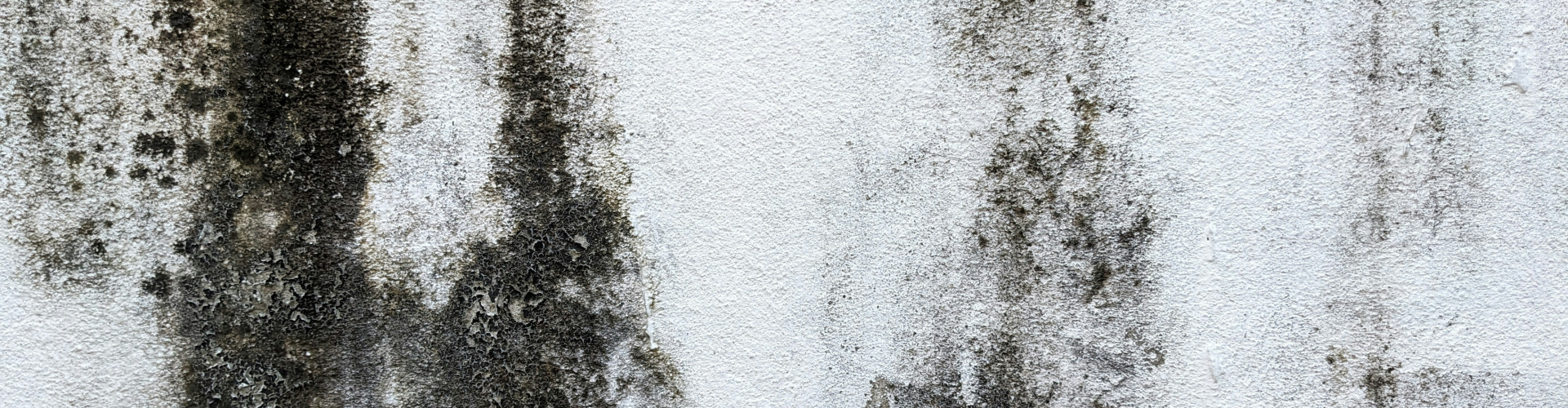
Bleach-Free Mould Removal in Occupied Homes: A Better Approach
In This Article
- What Does Awaab's Law Require for Mould Removal?
- Why Bleach-Based Mould Removers Fall Short
- Does Warm Soapy Water Kill Mould?
- What Biocides Are Used in Professional Mould Removers?
- Is a Non-Bleach Mould Remover Better for Operatives and Tenants?
- What Causes Mould in UK Homes?
- How to Prevent Mould from Coming Back
- What Is the Best Mould Remover for Occupied Homes and Awaab's Law Compliance?
- Frequently Asked Questions
Mould removal in occupied properties is one of the most common challenges facing landlords and housing providers in the UK today. Since the introduction of Awaab's Law, the pressure to act quickly, compliantly, and effectively has never been greater. But with so much conflicting advice online, warm soapy water, white vinegar, bleach, specialist biocides, it can be genuinely difficult to know what works, what is appropriate, and what actually meets the standard the law now demands.
This guide help to cut through the noise. It covers why standard bleach-based mould removers create problems in occupied homes, what alternative approaches exist, and what landlords and operatives should look for in a compliant mould removal product.
What Does Awaab's Law Require for Mould Removal?
Awaab's Law, which came into force for social housing providers in England in 2025, requires landlords to investigate damp and mould hazards within 14 days of a report, begin repairs within a further 7 days, and complete emergency repairs within 24 hours where a health risk is identified. Crucially, the law places legal responsibility for mould remediation firmly with the landlord, not the tenant.
This has significant implications for the products and methods used. Remediation must be effective enough to satisfy legal scrutiny, but also practical enough to carry out in homes where tenants may still be present. A mould remover that releases strong chlorine fumes, damages surfaces, or fails to address mould at a root level is not fit for purpose in this context.
The key question Awaab's Law forces landlords to answer: is your mould removal method suitable to use in an occupied home, and can you demonstrate it actually works?
Why Bleach-Based Mould Removers Fall Short
The most common mould removers found in supermarkets and trade merchants rely on sodium hypochlorite, commonly known as bleach. While bleach can remove the visible appearance of mould staining, it has several well-documented limitations that make it poorly suited to occupied property remediation.
Bleach does not kill mould roots on porous surfaces. Mould grows below the surface of materials like plaster, grout, and silicone sealant. Bleach, being water-based, cannot penetrate deeply enough to reach the hyphal roots. The surface may appear clean, but the mould will return, often within weeks.
Bleach releases chlorine fumes during application. These fumes irritate the eyes, throat, and airways, and can trigger respiratory symptoms even at low concentrations. For tenants with asthma or other respiratory conditions, even brief exposure to chlorine fumes during or after application presents a genuine health risk. Bleach is classified as a sensitiser-induced asthmagen, meaning repeated exposure can contribute to the development of occupational asthma.
Bleach damages surfaces with repeated use. It strips sealants, degrades grout, discolours fabrics, corrodes metal fixtures, and weakens wood fibres over time. In rental properties where surfaces need to last, repeated bleach treatment accelerates deterioration.
Bleach poses a mixing hazard. When sodium hypochlorite comes into contact with ammonia-based cleaners or acidic products, both common in domestic settings, it produces chlorine gas, a serious respiratory hazard. This risk is particularly relevant in occupied homes where cleaning product combinations cannot be fully controlled.
Does Warm Soapy Water Kill Mould?
No. Warm soapy water removes surface mould but does not kill it.
Dishwashing liquid is formulated to break down grease, oils, and food residue, not to act as a biocide. Wiping visible mould from a surface with soapy water dislodges spores and removes staining, but leaves the underlying mould structure intact. Without a biocidal treatment to follow, the mould will return once moisture conditions are restored.
There is also the practical risk of using the same cloth or bucket throughout the cleaning process, which can redistribute mould spores across surfaces rather than removing them. Without thorough drying after treatment, any residual moisture accelerates regrowth.
A HEPA-filtered vacuum can play a useful role in the initial removal of dry, loose spores, but only as part of a wider, biocide-led process. On its own, it offers no residual protection and does nothing to address mould below the surface.
In short warm soapy water and vacuuming are useful preparation steps, not permanent solutions.
What Biocides Are Used in Professional Mould Removers?
Professional-grade mould removers designed for occupied properties typically use alternative biocidal active ingredients that deliver effective mould control without the fume, corrosion, and surface damage risks associated with bleach. The most common are:
Benzalkonium chloride (BAC): a quaternary ammonium compound (QAC) found in hand sanitisers, antiseptic wipes, eye drops, and food industry disinfectants. It acts as a cationic surfactant, breaking down the cell walls of mould and bacteria.
Didecyldimethylammonium chloride (DDAC): another QAC widely used in healthcare and food production environments. It provides strong fungicidal activity and is commonly combined with other biocides for broader-spectrum performance.
Used individually, each of these has proven biocidal efficacy. Combined in a single formulation, they provide a multi-mechanism approach that is harder for mould to resist and more effective across a wider range of surface types.
Is a Non-Bleach Mould Remover Better for Operatives and Tenants?
In the specific context of indoor use in occupied properties, yes. Non-bleach biocide formulations offer meaningful advantages over sodium hypochlorite.
The primary advantage is the absence of chlorine fumes. Bleach releases chlorine gas during application and while drying, which creates respiratory risk for both operatives and occupants. Non-bleach biocide products do not carry this risk, making them significantly more suitable for use in bathrooms, kitchens, and bedrooms where ventilation may be limited and re-occupancy may occur quickly.
Non-bleach formulations also avoid the surface corrosion and material degradation associated with repeated bleach use, reducing damage to grout, sealant, and finishes in rental properties.
It is worth noting that biocides including BAC and DDAC are not without any irritancy profile at high concentrations, operatives should still follow standard PPE guidance. But the risk profile for normal indoor application is considerably lower than that of bleach-based products, particularly regarding respiratory exposure.
What Causes Mould in UK Homes?
Mould spores are present in virtually all indoor and outdoor environments. They become a problem when they find the right conditions: excess moisture, poor ventilation, and an organic food source such as dust, wallpaper paste, or cellulose-based building materials.
In UK homes, the conditions that most commonly trigger mould growth are:
- Condensation from daily activities - cooking, showering, and even breathing generate significant moisture, particularly in winter when windows stay closed.
- Inadequate ventilation - without regular air exchange, humidity accumulates and surfaces cool to the dew point.
- Thermal bridging - cold spots in walls, window reveals, and corners are the first places condensation forms and mould takes hold.
- Drying laundry indoors - a significant and underestimated source of indoor moisture.
Understanding these causes is essential because mould removal without addressing the underlying moisture source will always result in regrowth. Treatment buys time; moisture control provides the long-term solution.
How to Prevent Mould from Coming Back
Effective mould prevention disrupts the conditions mould needs to grow. For landlords and housing providers, advising tenants on the following steps forms part of a defensible approach to ongoing mould management:
- Ventilate daily. Opening all windows for 5–10 minutes each morning, a German technique called Stoßlüften. This expels humid indoor air and replaces it with cooler, drier air from outside. This single habit makes a measurable difference to indoor humidity levels.
- Run extractor fans properly. Kitchen fans should run during cooking and for 10 minutes after. Bathroom fans should run during and for 15 minutes after showering.
- Dry clothes in ventilated spaces. Avoid drying laundry in closed rooms. If indoor drying is unavoidable, use a dehumidifier and open a window.
- Keep furniture away from external walls. A gap of 2–3cm prevents stagnant air pockets where condensation accumulates.
- Clean shower areas after use. Mould feeds on soap residue, shampoo, and skin cells. Rinsing and squeegeeing shower surfaces removes the food source.
- Maintain a minimum room temperature. Where possible, keeping rooms above 15°C reduces the temperature differential that causes condensation on cold surfaces.
- Use anti-mould paint during redecoration. Mould-resistant coatings provide an additional barrier on walls that are prone to condensation.
While Awaab's Law places legal responsibility for mould remediation with the landlord, it is the occupant who has the greatest day-to-day influence over the conditions that cause mould to grow.
What Is the Best Mould Remover for Occupied Homes and Awaab's Law Compliance?
The most effective mould removal products for occupied properties combine proven biocidal efficacy with characteristics that permit use in homes where tenants are present or returning shortly after treatment.
MAXAM's PURA+ range has been developed specifically to address the limitations of standard bleach-based mould removers in the context of occupied housing and compliance work. PURA+ combines two biocidal active ingredients, benzalkonium chloride and DDAC, in formulations designed for effective mould control without the corrosive fumes and chlorine gas risks associated with bleach.
PURA+ is not just a surface treatment. Its formulation is designed to provide lasting residual protection, and properties treated with PURA+ as far back as 2019 remain mould free today a track record that standard bleach-based products, which offer no residual activity, simply cannot match.
For operatives working in enclosed spaces such as bathrooms and poorly ventilated kitchens, the absence of chlorine fume exposure is a significant practical advantage. For tenants, it means treated rooms can be re-occupied without the extended ventilation periods required after bleach application.
PURA+ is suitable for use on multiple surface types including tiles, grout, silicone, painted walls, and hard plastics, making it a practical single-product solution for housing providers managing mould remediation across diverse property types.
Frequently Asked Questions
- Does bleach kill mould permanently? No. Bleach can remove the visible appearance of surface mould but does not penetrate porous materials to kill the underlying root structure. Mould treated with bleach alone will typically return.
- Is bleach safe to use for mould removal in occupied homes? Bleach releases chlorine fumes during application that can irritate the respiratory system and worsen asthma symptoms. It is not well suited to use in occupied spaces, particularly where tenants with respiratory conditions are present or where re-occupancy will occur shortly after treatment.
- What is the best mould remover for landlords under Awaab's Law? Products using professional-grade biocides such as PHMB, benzalkonium chloride, and DDAC offer effective mould control without the fume and surface damage risks of bleach, making them better suited to occupied property remediation and housing compliance work.
- Can warm soapy water remove mould? Warm soapy water can remove surface mould staining but does not kill mould or address growth below the surface. It should be used as a preparation step alongside a biocidal treatment, not as a standalone solution.
- What causes mould to keep coming back? Mould returns when the underlying moisture source has not been addressed. Effective remediation requires both biocidal treatment of the affected area and action to reduce indoor humidity through ventilation, extractor fan use, and behavioural changes by occupants.

Best Social Housing Maintenance Product Brand for 2026!
Continue Reading

Awaab's Law in Scotland: What Landlords and Tenants Need to Know Before October 2026
Continue Reading 
Bleach-Free Mould Removal in Occupied Homes: A Better Approach
Continue Reading 
Post Awaab's Law
Continue Reading 
Understanding the HHSRS: The 29 Hazards Every Property Owner Should Know
Continue Reading 
